Veterinary Costs Put Pressure on Pet Owners in the US and Canada
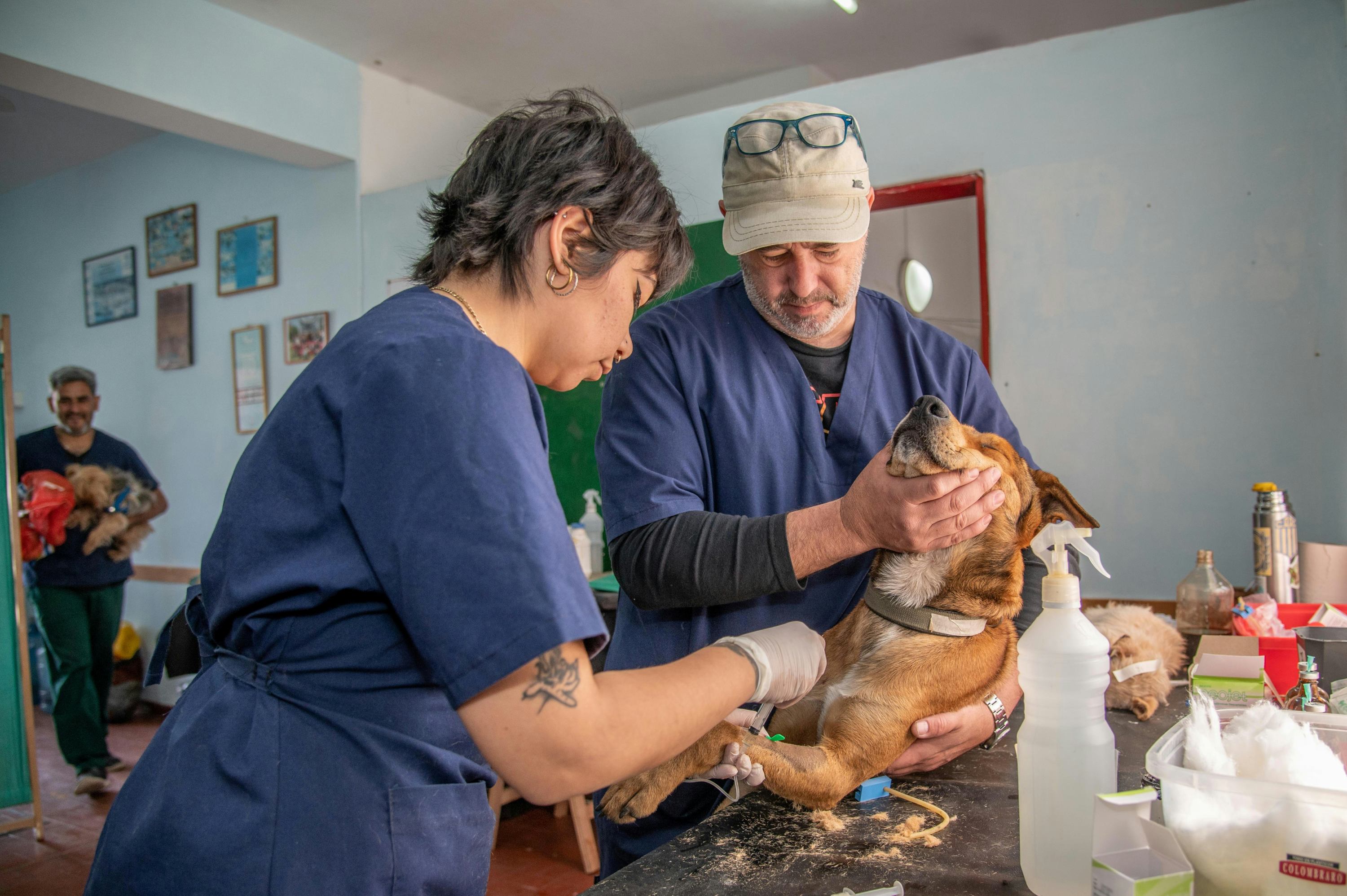
Access to veterinary care is becoming a growing concern for animals across the United States and Canada as the cost of medical treatment places pressure on pet owners. From routine health checks to emergency surgery, rising expenses can affect how quickly animals receive attention, the treatments available to them and their overall quality of life.
Veterinary care plays a vital role in protecting animal health. Regular examinations help veterinarians identify potential problems before they become more serious, while vaccinations, parasite prevention, dental care and appropriate nutrition help reduce the risk of certain illnesses. However, when the cost of these services becomes difficult to manage, some animals may receive care later than necessary or miss important preventive appointments.
One of the greatest concerns is the impact on early diagnosis. Animals cannot explain when they are in pain, and signs of illness may initially appear subtle. Changes in appetite, unusual behaviour, reduced activity or unexplained weight loss can indicate an underlying health problem. When veterinary consultations and diagnostic tests are delayed because of cost, conditions that might have been easier to manage earlier can become more complicated.
Emergency cases present an even greater challenge. Animals involved in accidents or suffering from sudden illnesses may require immediate investigations, medication or surgery. These situations leave little time for owners to prepare financially, and delays in treatment can have serious consequences for the animal's wellbeing.
Veterinarians also face difficult situations when recommended treatment exceeds what an owner can afford. A veterinary professional may identify the most appropriate medical option but still need to discuss alternatives based on the animal's condition and the resources available. These conversations can be particularly challenging when an animal needs ongoing treatment for cancer, kidney disease, diabetes or other chronic conditions.
The pressure extends beyond dogs and cats. Rabbits, birds and other companion animals may require specialised veterinary expertise, diagnostic equipment and treatment that is not readily available in every area. Limited access to suitable veterinary services can make timely care more difficult, especially for animals whose conditions require a specialist.
Preventive healthcare remains one of the most practical ways to support animal wellbeing. Routine veterinary examinations, vaccinations, parasite control, dental assessments and weight monitoring can help identify health concerns and reduce the risk of some preventable complications. However, preventive care does not eliminate the possibility of emergencies or guarantee that treatment will remain affordable.
Pet insurance and veterinary assistance programmes may help some owners manage medical expenses, although coverage varies and not every animal or condition will qualify. Clinics may also discuss staged treatment plans or alternative approaches where medically appropriate. Decisions should be made with a veterinarian to ensure that financial limitations do not lead to unsafe home treatment or the use of unsuitable medication.
Ultimately, the rising cost of veterinary care in the US and Canada raises an important animal welfare concern: animals depend on people to recognise their needs and obtain appropriate medical attention. Improving access to affordable consultations, diagnostics, preventive services and emergency treatment is essential to ensuring that more animals receive care when they need it.
A pet's health should not depend solely on whether an unexpected medical expense can be covered immediately. Strengthening access to veterinary services and supporting responsible preventive care can help protect animal welfare and improve the chances of healthier, more comfortable lives for companion animals.