Algiecel Opens New Facility to Advance Fish-Free Omega-3 Production
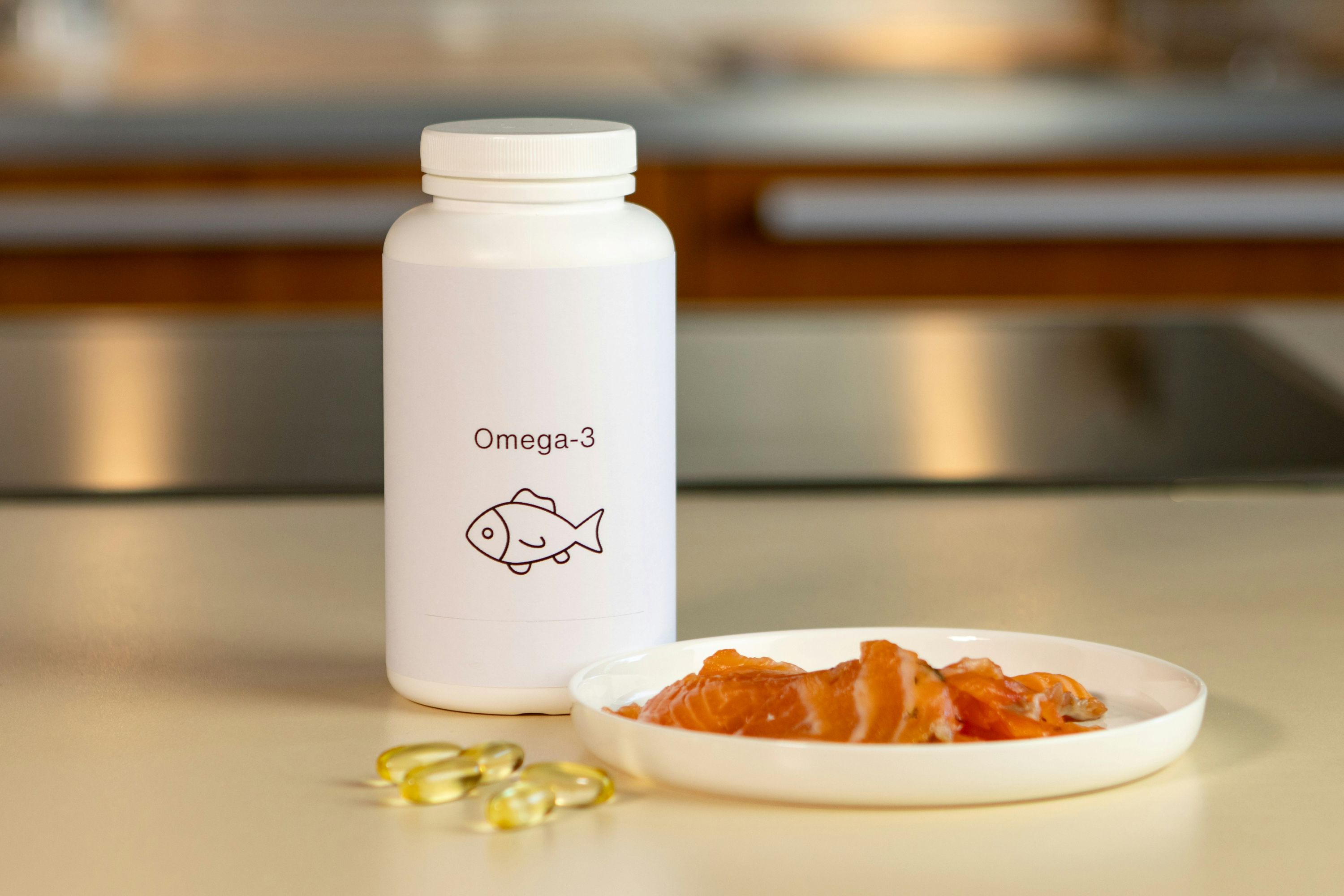
The search for more sustainable ingredients in animal nutrition is gaining momentum as Danish biotechnology company Algiecel expands its work on microalgae-based omega-3 production. The company has opened a facility designed to produce microalgal biomass rich in omega-3 fatty acids, offering a potential alternative to traditional fish-derived ingredients used in pet food and other animal nutrition products.
Omega-3 fatty acids, particularly EPA and DHA, play important roles in animal health. In pets, they are associated with supporting healthy skin and coats, joint function, and normal brain and eye function. However, conventional fish oil production depends on marine resources, raising questions about supply stability, environmental pressure, and the long-term sustainability of sourcing these essential nutrients.
Algiecel's approach focuses on cultivating microalgae, which naturally produce valuable oils and nutrients. Rather than relying on fish as the starting point, this technology aims to provide an alternative source of omega-3-rich biomass that can be used in nutrition applications.
A Potential Shift in Pet Food Ingredients
The opening of the facility represents a step towards making algae-based ingredients more available for commercial use. As pet owners increasingly pay attention to the nutritional quality and environmental impact of the products they purchase, manufacturers are exploring new ways to meet demand without placing additional pressure on marine ecosystems.
For pet food companies, alternative omega-3 sources could help diversify ingredient supply and reduce dependence on conventional fish oil. Algae-based ingredients may also offer greater control over production conditions, although commercial success will depend on factors such as production costs, consistency, nutritional performance, and manufacturers' ability to incorporate them into existing formulations.
The development also reflects a wider shift in animal nutrition, where biotechnology is being used to develop ingredients that meet both nutritional requirements and sustainability goals.
What This Means for the Animal Care Industry
Algae-derived omega-3 is not entirely new to nutrition, but expanding production capacity could help the ingredient gain wider adoption across the pet food market. If producers can scale output efficiently and offer competitive pricing, it may become an increasingly attractive option for brands seeking alternatives to marine-derived oils.
Nevertheless, the long-term impact will depend on how quickly production can expand and whether the resulting ingredients meet industry standards for quality, safety, and affordability. Fish oil is already an established ingredient, so replacing it at scale will require more than a promising technology.
Algiecel's new facility highlights the growing connection between biotechnology, animal health, and sustainable manufacturing. As the pet food industry continues to seek reliable sources of essential nutrients, microalgae could become an important part of the next generation of animal nutrition ingredients.